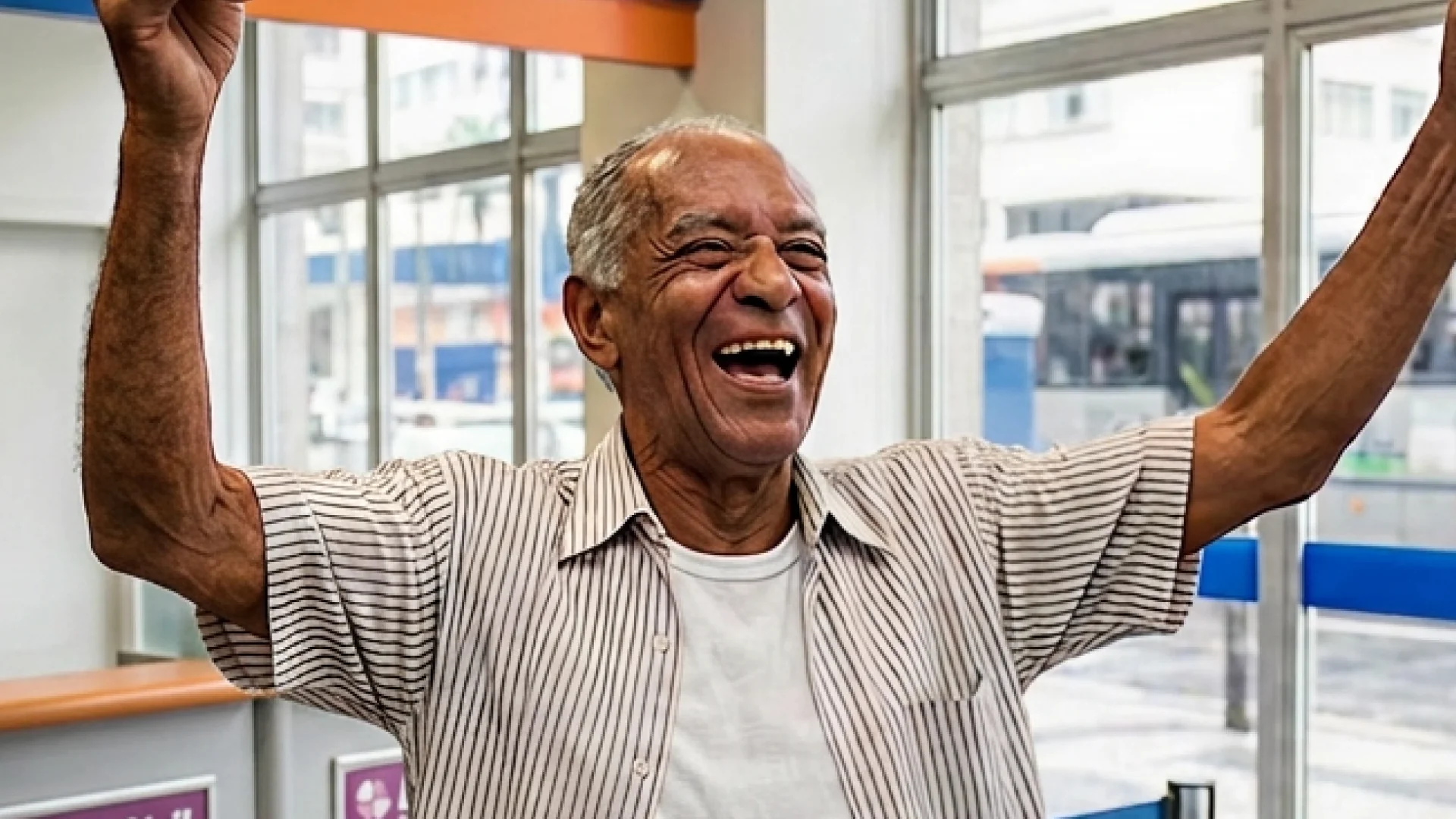
I helped íon reach 30,000+ monthly users. I drove a 9.2% conversion rate where 4% was the goal. I measured 80% positive feedback through Likert surveys. I standardized 60+ components used by 500+ designers and 5,000+ developers across 4 tech stacks.
I'm Caique, a data-driven Product Designer with expertise in accessibility and scalable design systems, ready to bring my enterprise experience to your next challenge.
02About
Interviews, usability tests, data analysis and insight synthesis to ground design decisions in real evidence.
Designing digital interfaces that combine product strategy, creativity and usability · from wireframes to high-fidelity prototypes.
Building and evolving scalable design systems · tokens, components, documentation and governance for teams of any size.
Robust accessibility specs and audits following WCAG 2.1 criteria · ensuring inclusion without compromising visual quality.
In 2022, I helped Itaú expand their investment platform to the web. Through iterative design, accessibility work, and data-driven decisions, we reached 30,000 monthly users and hit 9.2% conversion, more than double the goal.
Íon is Itaú's investment platform, already well-established in the mobile environment as a robust and sophisticated solution for investors.
The challenge was to expand this experience to the web, creating an omnichannel journey that maintained the same level of excellence, now adapted to the desktop context, and more than a simple interface adaptation, the project required rethinking flows, components, and interactions for a new usage scenario, with a strong focus on accessibility, performance, and scalability. The goal was ambitious: to reach 15,000 monthly users by December 2023.
As a senior product designer, I was part of the squad responsible for the product showcase on íon web, one of the platform's most strategic areas, focused on presenting investment products in a clear, engaging, and efficient way. My role was cross-functional, ranging from UX and UI decisions to technical alignment with development and QA teams.
My involvement in the project began in August 2022, and from the start, we followed an iterative, data-driven approach. With each new release of the platform, whether in beta, alpha, or the final launch, we collected both qualitative and quantitative feedback from users accessing the site. These insights were essential for identifying friction points, validating hypotheses, and prioritizing improvements to the features being developed.

Project timeline: from beta and alpha phases to the official launch in December 2023
100 selected users. This phase allowed us to validate the core flows and adjust the structure of the product showcase based on early feedback.
~10,000 users. With a larger user base, we were able to deepen our analysis of behavior and satisfaction, refining components and interactions based on real usage data.
Delivering a solid, validated, and functional MVP, ready to scale without major rework. Throughout this process, I was directly involved in analyzing the collected data, both qualitative and quantitative, to guide design decisions and ensure the product evolved consistently and with a user-centered focus.
When I joined the project, I was introduced to a comprehensive set of materials developed by the consultancy Work & Co, which had created the initial concept for what íon web could be. This work was instrumental in selling the vision to the business team and served as a starting point for development. However, upon deeper analysis, it became clear that, despite its strategic value, the material was still far from being a product ready for implementation.
Some of the main issues I identified early on included:
These findings made it clear that, while the consultancy's material was a strong conceptual foundation, there was still significant work needed in refinement, adaptation, and depth to turn that vision into a viable, accessible, and standards-aligned digital product.
Throughout the project, I encountered challenges that required not only technical knowledge but also a strategic and collaborative approach to ensure that the deliveries were feasible and consistent. Two key points stood out.
One of the main challenges was the discrepancy between the design system libraries available to the design and development teams. While we, as designers, worked with an up-to-date and complete library, developers had access to an outdated version that often lacked the same components or expected behaviors. This gap required constant alignment with the tech team. In many situations, I had to:
This process demanded empathy, flexibility, and close communication with the technical team to ensure that the solutions were realistic while still aligned with the project's quality and experience standards.
Another major challenge was the strategic decision to postpone usability testing until after the launch. Due to a tight timeline and pressure to go live, we chose to validate the journeys based on best practices, internal benchmarks, and qualitative feedback during the beta and alpha phases. To mitigate these risks, I took a proactive approach:
This approach allowed us to launch a solid, functional, and well-received MVP, even without formal usability testing prior to go-live.
The logged-in homepage was designed to be the user's entry point into the íon web experience. I worked on structuring a page that balanced informative content, efficient navigation, and personalization. Key elements included:

Logged-in home: portfolio cards, product carousels and curated news
The consultancy Work & Co had proposed a visual concept where each carousel would have a distinct color, forming a gradient as the user scrolled down the page. While the idea was visually appealing, the original concept included only 8 colors, which quickly proved insufficient given the number of carousels the product needed to support.
I led a study to expand this palette from 8 to 16 colors, ensuring visual harmony and accessibility. This work was done in collaboration with designer Ayrton Mugnaini. We also defined the ideal card sizes for each carousel, considering different screen resolutions and breakpoints. Together with the business team, we segmented the content and defined strategic titles for each carousel, such as:

Product carousels: palette expanded from 8 to 16 colors, card sizes defined for multiple resolutions
The product table needed to be robust, high-performing, and highly functional. I designed its structure with the following features in mind: real-time pricing updates, advanced sorting and filtering, responsive pagination, and visual performance indicators. I also ensured the table was fully accessible via keyboard navigation and screen readers, in line with the accessibility standards defined for the project.

Product table: real-time quotes, advanced sorting and filtering, fully accessible by keyboard and screen readers
This screen displayed specific information about an asset. The price chart required significant technical refinement in collaboration with the development team to balance technical constraints with user needs.
Additionally, this delivery had a special focus on accessibility. Since charts are not read by screen readers, I created a complementary table that translated the visual information into textual data.

Product detail: price chart with complementary accessibility table translating visual data into text
The news page was created to integrate informative content into the investment journey. I worked on structuring an internal page that allowed for smooth reading of articles, analyses, and announcements. This delivery helped position Ion Web not only as a transactional platform but also as a knowledge hub for investors.

News page: smooth reading of articles, analyses and announcements
This initiative was carried out in direct collaboration with the specialized team, ensuring that the solutions were inclusive and functional for all user profiles. Robust accessibility specifications were essential to guarantee that the designed solutions were viable and delivered with quality.

Accessibility specifications, developed in direct collaboration with the specialized team
Throughout the project, we evolved several features based on two pillars: active customer listening and strategic data analysis. A standout case was the table display function for the chart. In the first version, few users knew they could activate it. With a clear and intuitive redesign, I transformed friction into noticeable engagement.

Before and after: table display function redesign driven by user behavior data
By the end of the project, the results exceeded initial expectations, both in terms of adoption and the quality of the experience delivered. The collaborative work, combined with an iterative and user-centered approach, enabled íon web to be launched as a solid, functional, and well-received product.
30+ features delivered. The site was recognized as the most accessible in the financial sector.
Next case
In 2024, I helped NTT Data and Itaú standardize a design system used by thousands. We analyzed and fixed 60+ components across Angular, React, Flutter, and Swift, improving consistency, accessibility, and delivery speed.
NTT DATA assembled a multidisciplinary squad of specialists focused on different aspects of the design system: design, mobile and desktop technology, quality assurance, accessibility, and strategy. Our primary objective was to standardize and align the four core technology stacks, Angular, React, Flutter, and Swift, while ensuring Figma components and templates remained up to date and fully optimized for designers and developers.
As a senior designer on this project, alongside one to three other designers depending on the project phase, I was responsible for conducting initial component analyses, refining designs within the core Figma library, updating technical handoff specifications, and ultimately revising the design documentation on the internal design system website. To provide a sense of scale, iDS consists of over 70 components, is utilized by approximately 500 designers, more than 5,000 developers, and over 6,000 product managers. This was a large-scale, high-impact initiative spanning nearly a year, an experience that significantly deepened my expertise in design systems and their strategic implementation.
One of the first steps in the project was a general alignment among the nearly 20 professionals involved. After initial introductions, we conducted a detailed assessment based on the client's briefings, establishing a clear understanding of the project scope and execution timeline for each area. Our primary responsibility was to systematically review over 60 designated components, analyzing them in detail, identifying inconsistencies, and implementing the necessary corrections.
To ensure alignment on what aspects of each component we would evaluate and how far our revisions would extend, we developed initial sketches and diagrams in FigJam. These artifacts helped define our workflow and delineate the responsibility structure within the team. The workstream framework and accountability map became foundational elements guiding our approach throughout the project.

Workflow diagram and accountability map developed in FigJam, the foundational elements guiding our approach throughout the project
Our first analysis was both the most intriguing and the most chaotic. The team focused on a single component, gathering every possible piece of information and insight. It was during this process that the design team's role in consolidating findings and creating a structured report became clear, something that had not been explicitly defined before. This approach became the foundation for all subsequent component analyses, with the design team centralizing evaluations and reporting any critical issues.
Although our initial presentation wasn't the most polished, the analysis was well received by the Itaú team, who recognized it as the first tangible value delivery. We identified key areas for improvement, including taxonomy inconsistencies, documentation gaps, and accessibility issues. It also became evident that efficient communication was essential to ensure components were developed simultaneously across multiple technology stacks. Without it, discrepancies and misalignments were inevitable.
Following the delivery of our first report and the subsequent approval of the proposed corrections, we immediately shifted our focus to implementing the necessary adjustments, refining our workflow, and preparing for the analysis of the next batch of components.

First component analysis, recognized by the Itaú team as the first tangible value delivery
Here is an example of one of the subsequent analyses we conducted, this time with a more structured approach, componentized elements, and full alignment with the client's visual identity. We consistently aimed to create deliverables that could evolve into internal tools or reference materials, ensuring we spoke the client's language and adhered to their brand guidelines, including colors, typography, and design principles.
To facilitate asynchronous reviews and ensure comprehensive documentation, we also included a final column consolidating key insights. This section provided an overall assessment of the component, highlighted inconsistencies and issues, and outlined opportunities for improvement. In case of any doubts regarding points discussed during our analysis presentation, stakeholders could simply refer to the final column for clarification.

Subsequent analysis: more structured approach, componentized elements, full alignment with the client's visual identity
Later, we had to adapt our deliverables due to timeline constraints and changes in the team structure. To streamline the process while maintaining essential quality, we developed a minimum viable version of our analysis, focusing on three core aspects for each component:

MVA (Minimum Viable Analysis): streamlined to three core aspects while maintaining essential quality
By the end of the project, we had conducted an in-depth analysis of over 60 components and 5 templates. Throughout this process, we identified more than 600 points of concern, which were thoroughly discussed and addressed by the design, technology, QA, and accessibility teams.
After refining our workflow and completing our initial analyses, the next steps were to update the components in the bank's official Figma library and, subsequently, revise the technical handoffs. As a team, we consistently adhered to best practices at every stage, working in isolated branches for each component to ensure a structured and controlled update process.
Additionally, to facilitate the approval process and optimize time for all stakeholders, we placed component playgrounds within Figma. These interactive spaces allowed reviewers to explore components in different states and variations, often accompanied by a concise changelog summarizing the updates made.

Component playground in Figma, allowing reviewers to explore different states and variations, with integrated changelog
Once the Figma updates were finalized, we moved on to the handoff phase, one of the most critical aspects of our work as a design team. This step served as the final bridge between our improvements and the development team, ensuring seamless implementation. From the outset, the Itaú team shared with us an initial handoff model they had been using, and we quickly began refining and adapting it to fit our needs.
Ayrton Camossa, the Lead Designer of the project, transformed each section of the provided handoff model into reusable Figma components, ensuring consistency across all deliverables. This mini-library of handoff elements was carried throughout the project and significantly accelerated our workflow, maximizing the reuse of standardized elements while maintaining clarity and efficiency.
My mainly contribution for the handoff process was creating structured properties and variants table that was quickly adopted as the standard for all materials we produced. This table became a foundational element, allowing developers to clearly understand each component's full range of possibilities. While Figma's Dev Mode provides a solid foundation for developer handoffs, a well-structured example table remains an invaluable reference, eliminating ambiguities and further streamlining our process.

Properties and variants table: adopted as the standard for all handoff materials, eliminating ambiguities for developers
Additionally, we collaborated closely with the accessibility teams from both Itaú and NTT DATA to build and refine accessibility guidelines for each component. Given that accessibility is a fundamental principle of the design system, we dedicated significant effort to maintaining and even raising the system's high standards of inclusivity and usability.

Accessibility guidelines: built and refined in close collaboration with accessibility teams from both Itaú and NTT DATA
We handled both relatively simple handoffs, such as the image component example above, and highly complex ones, like the modal component example below. Regardless of complexity, we always put ourselves in the shoes of developers and QA professionals who would rely on this documentation, ensuring clarity in every aspect of a component development.

Modal component handoff: one of the most complex, with every state, variation and behavior fully documented
To finalize this phase, and in alignment with the internal guidelines set by the iDS team, we conducted all approvals and reviews using Figma's branch review tools. Since updates were automatically notified through Figma's interface and email, we maintained a clear and structured approval record at all times. Once a handoff was approved, we simply updated our Overview Panel to reflect the latest status of each step.

Overview Panel: clear and structured approval record updated after each handoff was approved
As we approached the final stretch of the project, we were unexpectedly assigned a new phase in our workflow. Beyond updating components and technical handoffs, we were now responsible for revising and maintaining the official documentation on the design system's internal portal.
This task built upon the work of another consultancy that had previously handled documentation but was now shifting to a different initiative. Since the components had been updated after their involvement, we needed to revisit these materials to ensure full alignment and consistency.
Each component went through a two-step process:
Below is an example of our modal component update (original version on the left, revised version on the right), where we meticulously reviewed every instance and application of the component. These documents are referenced daily by thousands of designers, developers, and product managers, making precision and clarity essential.

Modal component documentation update: original version (left) vs. revised version (right), referenced daily by thousands of stakeholders
Working in a multidisciplinary team required close collaboration and shared responsibility across design, development, QA, and accessibility. Strong partnerships between disciplines allowed us to analyze, refine, and update components effectively while keeping our workflow seamless.
We take pride in the impact we achieved: over 600 issues resolved across dozens of components, improving consistency, accessibility, and overall quality. Through teamwork and continuous iteration, we optimized the design system while establishing a scalable, efficient delivery process for future iterations.
More than just delivering components, we delivered clarity, trust, and a solid foundation for the design system to continue evolving with consistency.
Next case